When it comes to HVAC systems, having proper ductwork in place is essential for maintaining indoor air quality and temperature control. In many commercial and industrial buildings, space constraints can pose a challenge for installing traditional ductwork. This is where suspended ducting comes in as a practical solution for maximizing space and ensuring efficient air distribution.
suspended ducting, as the name suggests, refers to ductwork that is hung from the ceiling or other overhead structures rather than being installed within walls or floors. This method allows for greater flexibility in routing ductwork through areas where traditional installation would be difficult or costly. By taking advantage of vertical space, suspended ducting offers numerous benefits for both new construction projects and retrofit applications.
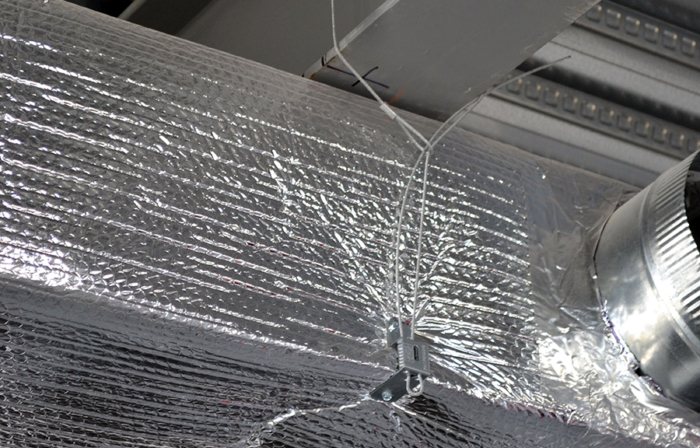
One of the main advantages of suspended ducting is its ability to save valuable floor space. In buildings with limited room for ductwork, hanging the ducts overhead can free up space for other purposes. This can be particularly beneficial in retail stores, restaurants, warehouses, and other commercial settings where maximizing floor space is a priority. By suspending the ductwork, you can avoid cluttering the ceiling and walls with bulky ducts, creating a cleaner and more streamlined aesthetic.
Another advantage of suspended ducting is its ease of installation and accessibility. Unlike traditional ductwork that requires extensive construction work to install within walls or floors, suspended ducting can be quickly and easily hung from existing structures. This not only speeds up the installation process but also makes maintenance and repairs much simpler. With overhead ductwork, technicians can easily access and service the ducts without disrupting the building’s occupants or requiring extensive demolition.
suspended ducting is also highly adaptable to different building layouts and configurations. Whether you have a complex floor plan with tight corners and angles or an open space with high ceilings, suspended ducting can be customized to fit your specific needs. The flexibility of suspended ducting allows for creative design solutions that can improve air circulation and HVAC efficiency in a variety of settings. From large commercial buildings to small office spaces, suspended ducting offers a practical and efficient way to distribute air throughout the building.
In addition to its space-saving benefits, suspended ducting is also a cost-effective solution for HVAC systems. By eliminating the need for expensive structural modifications to accommodate traditional ductwork, suspended ducting can help reduce overall construction costs. The simplicity of installation and maintenance further contributes to the cost-effectiveness of this approach, making it an attractive option for building owners and contractors looking to maximize their budget.
Furthermore, suspended ducting can improve indoor air quality and comfort by ensuring proper air distribution throughout the building. By strategically hanging ducts in key locations, you can create a balanced airflow that reduces hot and cold spots, minimizes drafts, and enhances overall comfort for occupants. Properly designed suspended ducting systems can also help prevent moisture buildup, mold growth, and other indoor air quality issues that can arise from poorly maintained or inefficient ductwork.
When considering suspended ducting for your building project, it’s important to work with a qualified HVAC contractor who has experience with this approach. A knowledgeable contractor can help you design a custom ducting system that meets your specific needs and complies with local building codes and regulations. By partnering with the right experts, you can ensure that your suspended ducting project is a success from start to finish.
In conclusion, suspended ducting offers a practical and efficient solution for maximizing space and improving air distribution in commercial and industrial buildings. Whether you’re looking to save floor space, simplify installation and maintenance, or enhance indoor air quality, suspended ducting can provide a cost-effective and flexible alternative to traditional ductwork. By taking advantage of the vertical space and design possibilities that suspended ducting offers, you can create a comfortable and efficient HVAC system that meets the needs of your building and its occupants.